AI UX Design
Designing AI Products People Can Understand and Trust
Most AI features fail the same way: they hide their reasoning, offer no way to correct a wrong output, and fail silently when they're unsure. I design AI products the other way, with output people can see through, edit, and trust incrementally as it proves itself. I'm an AI UX designer based in Kathmandu, Nepal, currently leading design for Decisions AI, an enterprise AI meeting assistant used inside Microsoft Teams by 5,000+ organizations.
Principles
How I Design AI UX
Confidence & Uncertainty
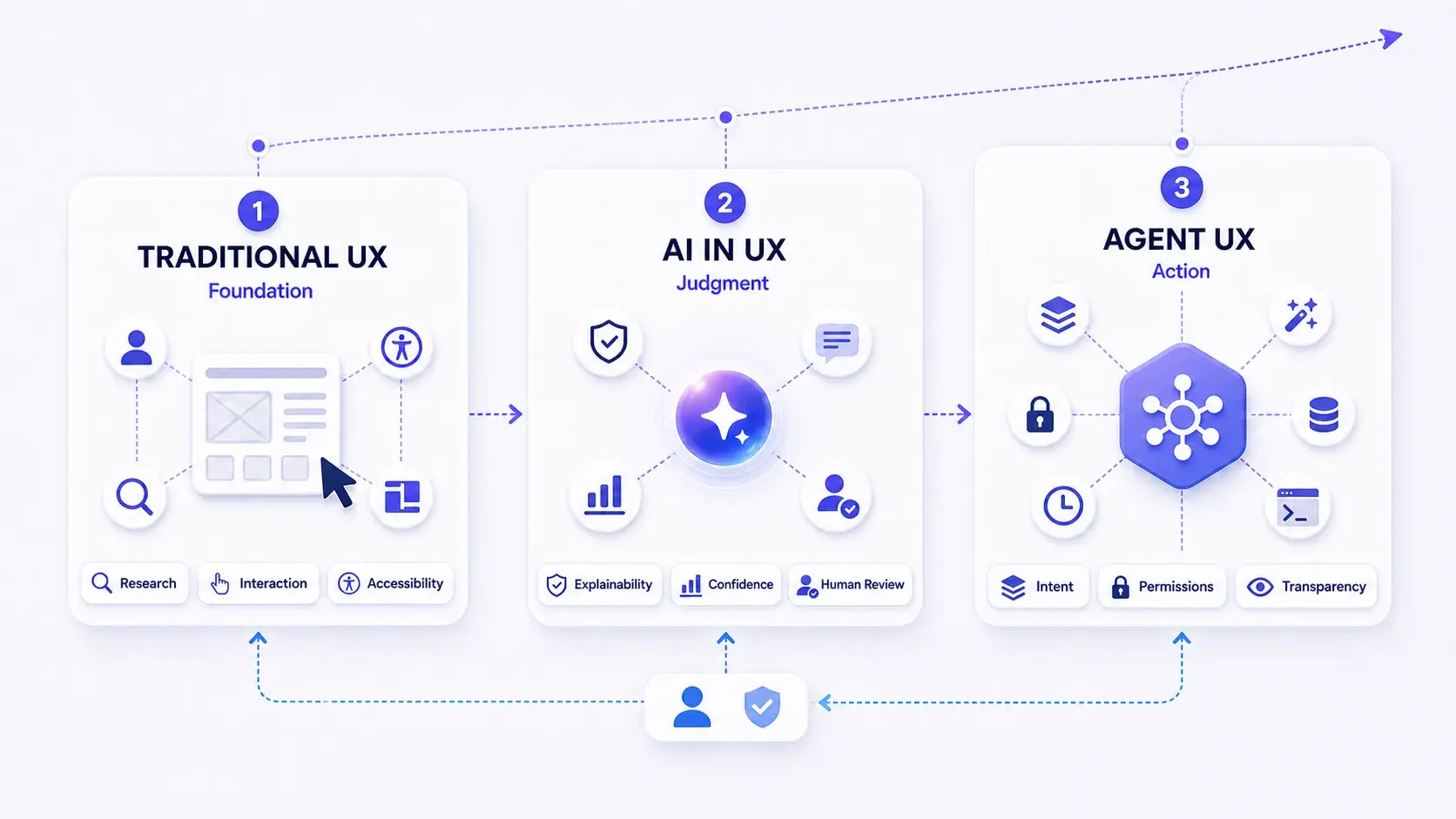
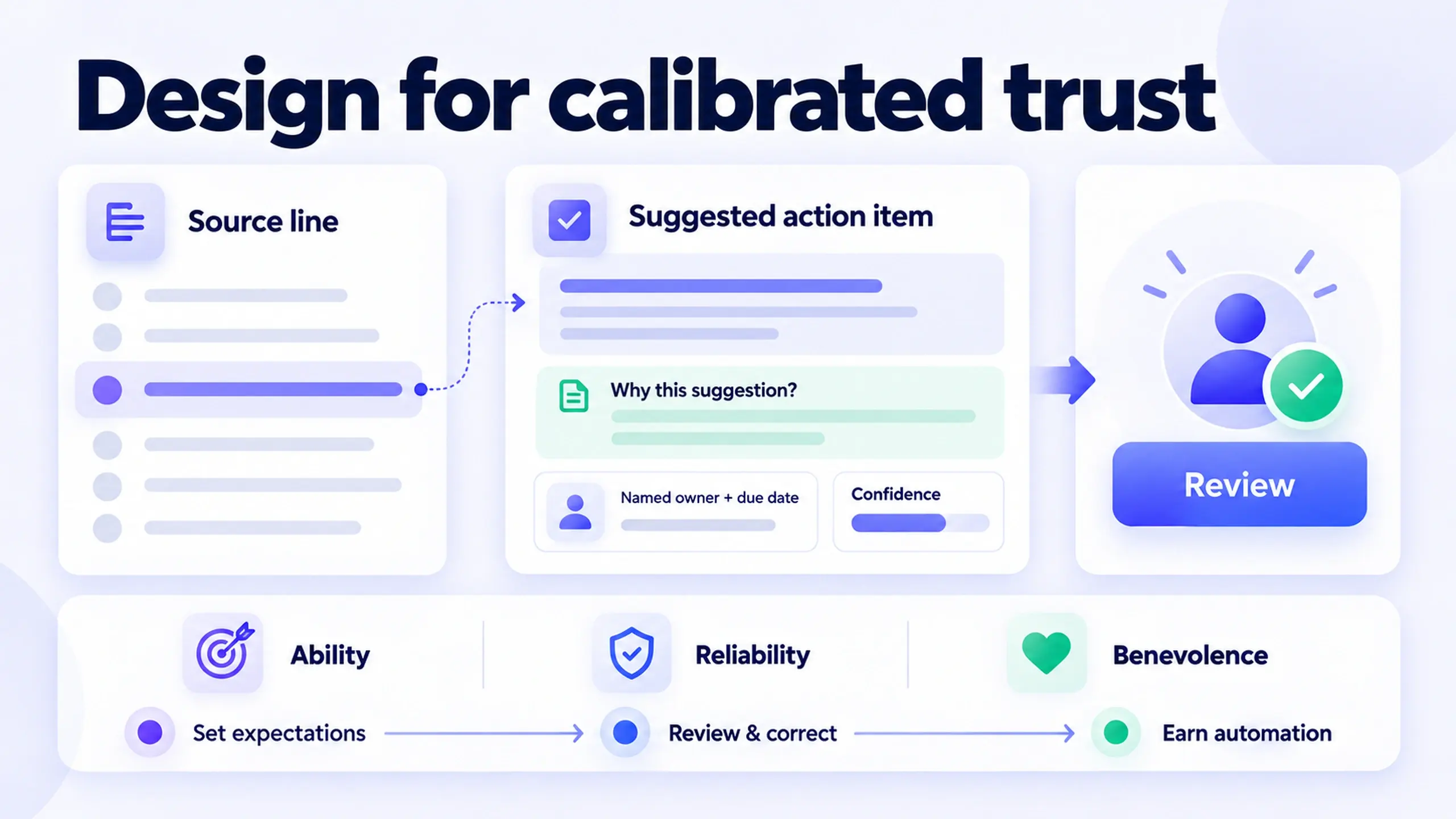
Surfacing how sure the system is, not just its output. A confident-sounding wrong answer is more dangerous than one that visibly hedges: the interface should show its work.
Editable AI Output
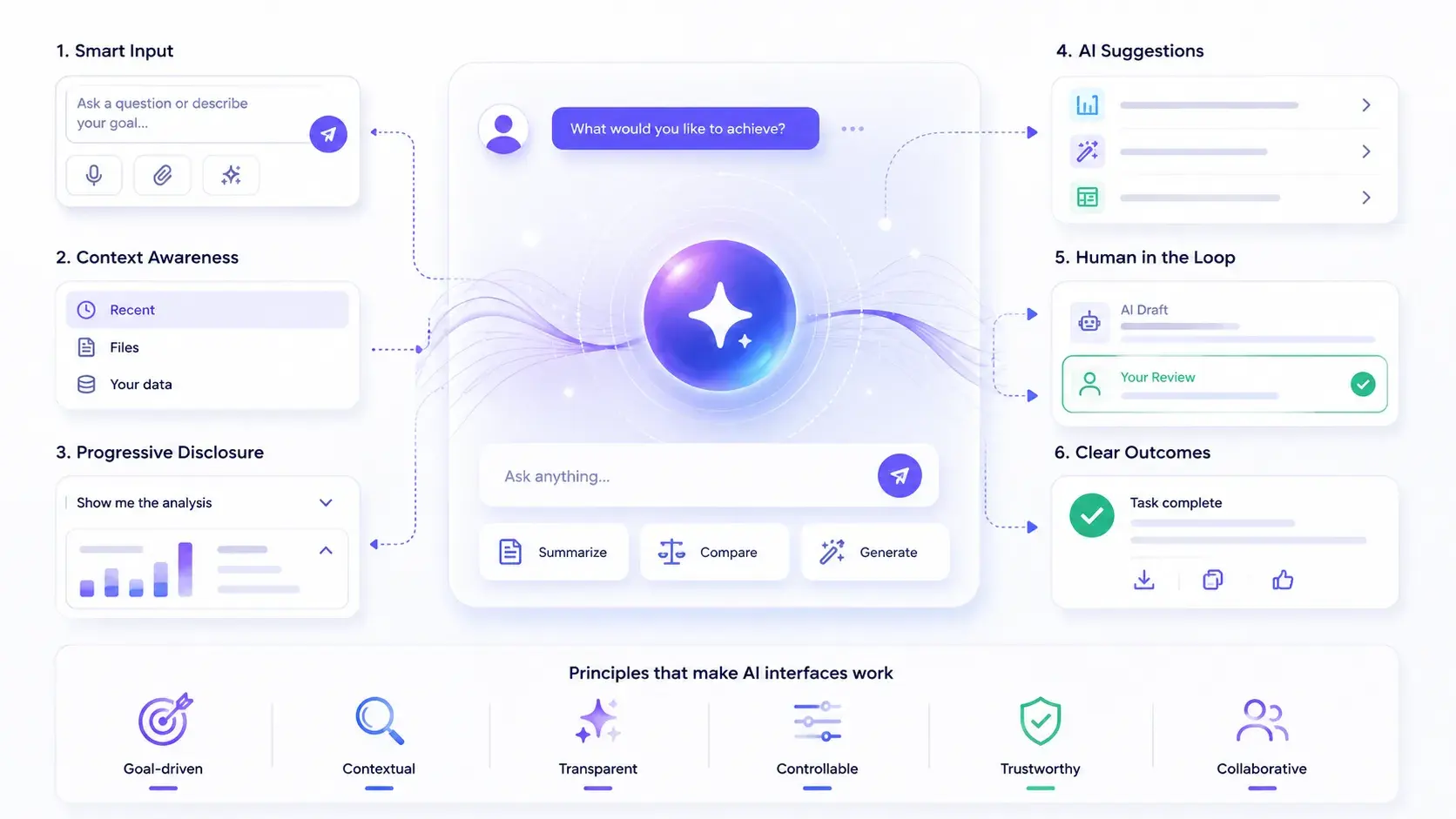
AI-generated content is a draft, not a decision. Every output needs a clear, low-friction path to correct it before it becomes the record of what happened.
Human Review
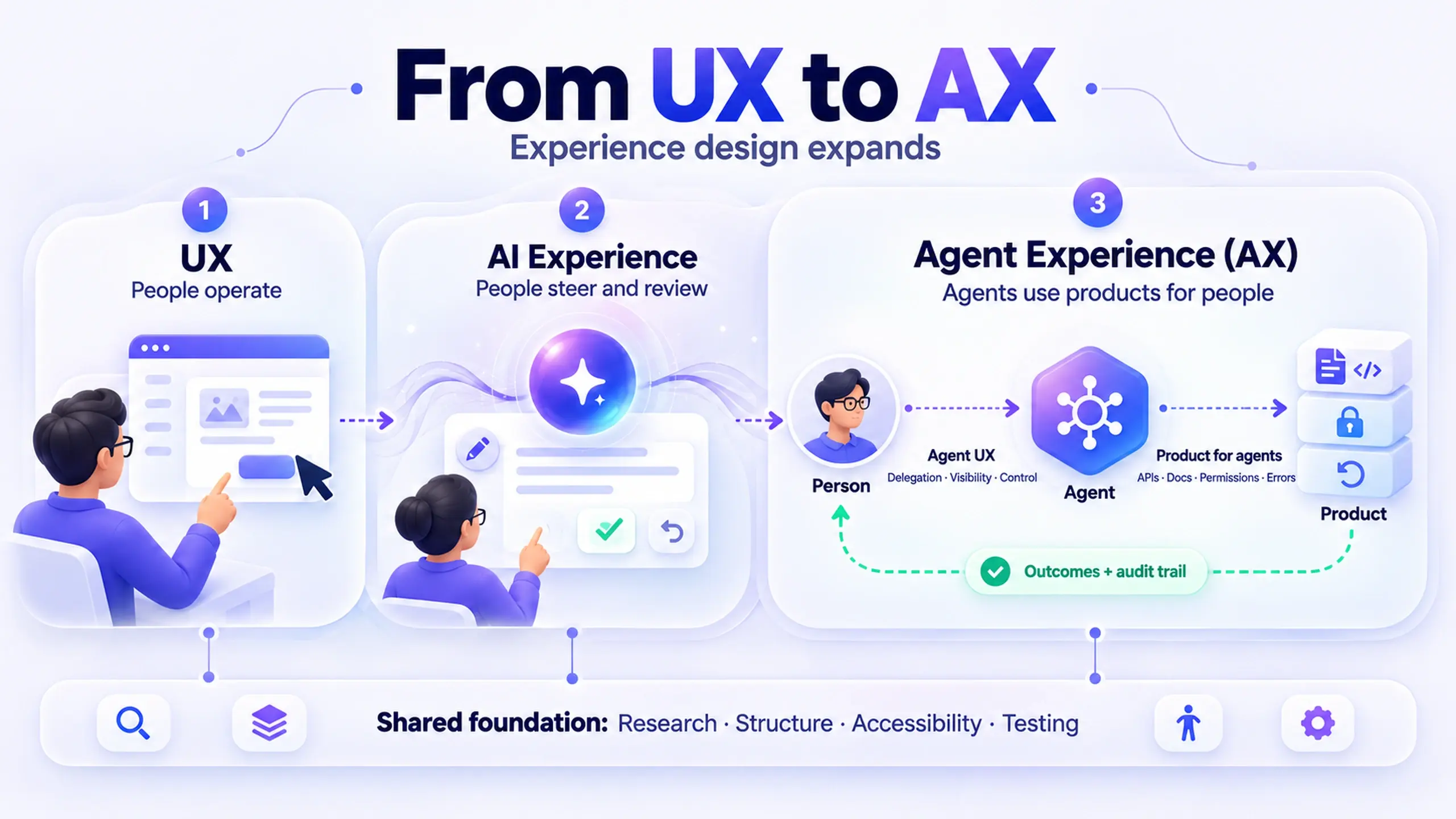
For anything consequential (a decision, a vote, a commitment) a person confirms it. AI accelerates the path to that moment; it doesn't replace it.
Explainability
If a user can't tell why the system produced a given output, they can't trust it or correct it. Explaining the “why” is part of the interface, not a debug log.
Failure & Fallback States
AI features fail differently than normal software: confidently, silently, or in ways that look like success. Designing the failure states matters as much as the happy path.
Progressive Trust
Nobody hands full autonomy to a new feature on day one. Trust is earned in stages, starting with suggestions a human approves and expanding scope as the system proves reliable.
Enterprise AI Constraints
Enterprise AI adds compliance, audit trails, and NDA-covered data most consumer AI patterns ignore. The design has to hold up under review, not just a demo.
Applied in Production
Enterprise AI, Not a Demo
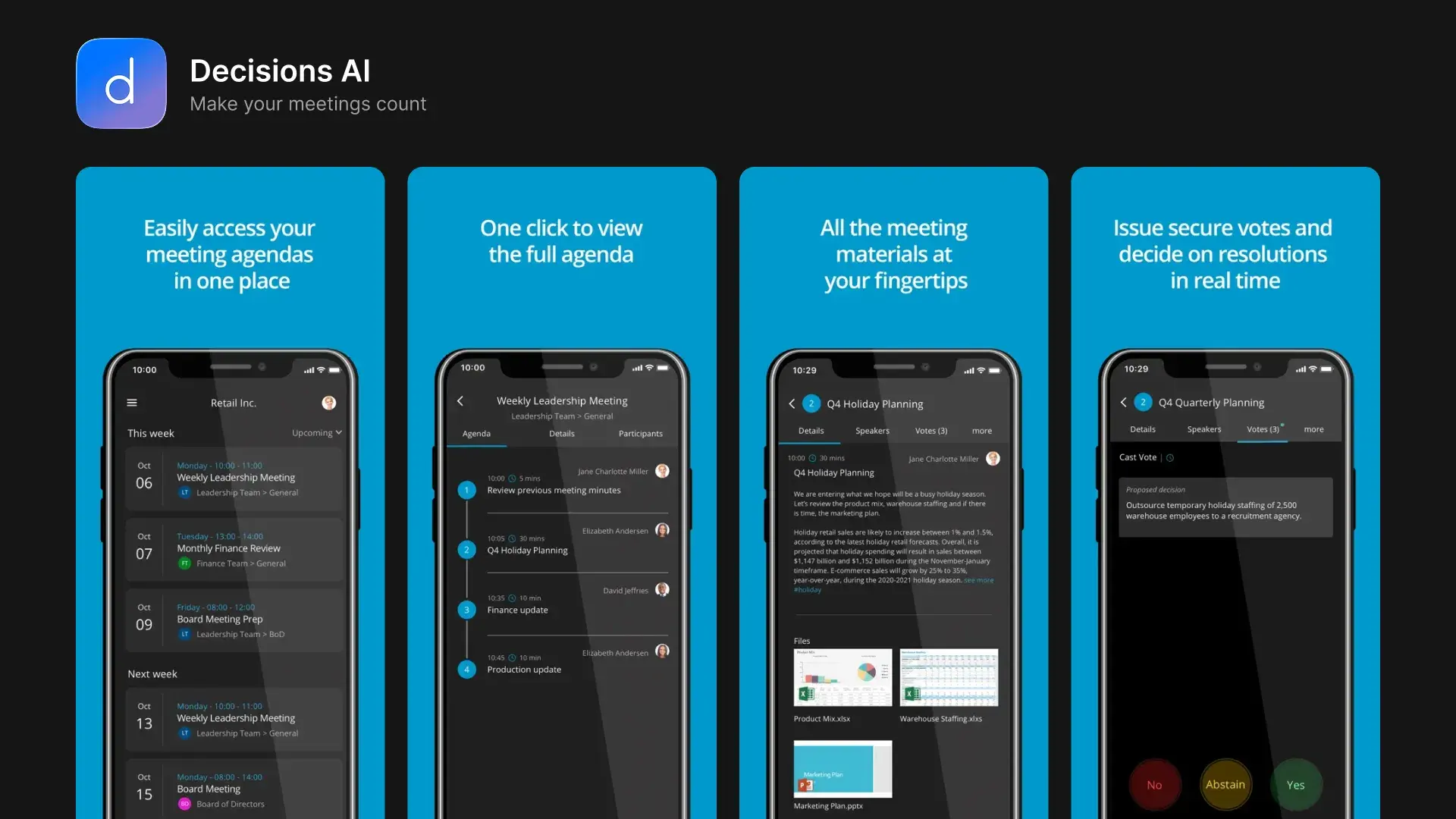
Decisions AI runs inside Microsoft Teams for 5,000+ organizations, spanning enterprise, healthcare, and government bodies. Every AI-generated summary or suggested action needs a clear confidence signal, an easy way to correct it, and a human still making the actual decision. It's an active, NDA-covered engagement, so what's shared here is limited to what's publicly verifiable and a direct account of the design constraints, not internal research or metrics.
Further Reading
Writing on AI UX and Product Design
Building an AI feature people will actually trust?
If you're designing AI into a product and want the trust, failure states, and human oversight handled properly from the start, I'd love to hear about it.
Get in Touch