Topic
AI Product Design
How AI actually changes the day-to-day work of product design, from concepts and UX patterns to shipping AI-generated interfaces and agents.
Most writing about "AI and design" collapses into one of two extremes: breathless claims that AI replaces designers, or a shallow tool roundup that's outdated in three months. Neither is useful if you're the one actually shipping product.
This cluster is the alternative: a working record of what changes when AI moves from a talking point into the actual product design process, written from doing the work, not observing it from the outside.
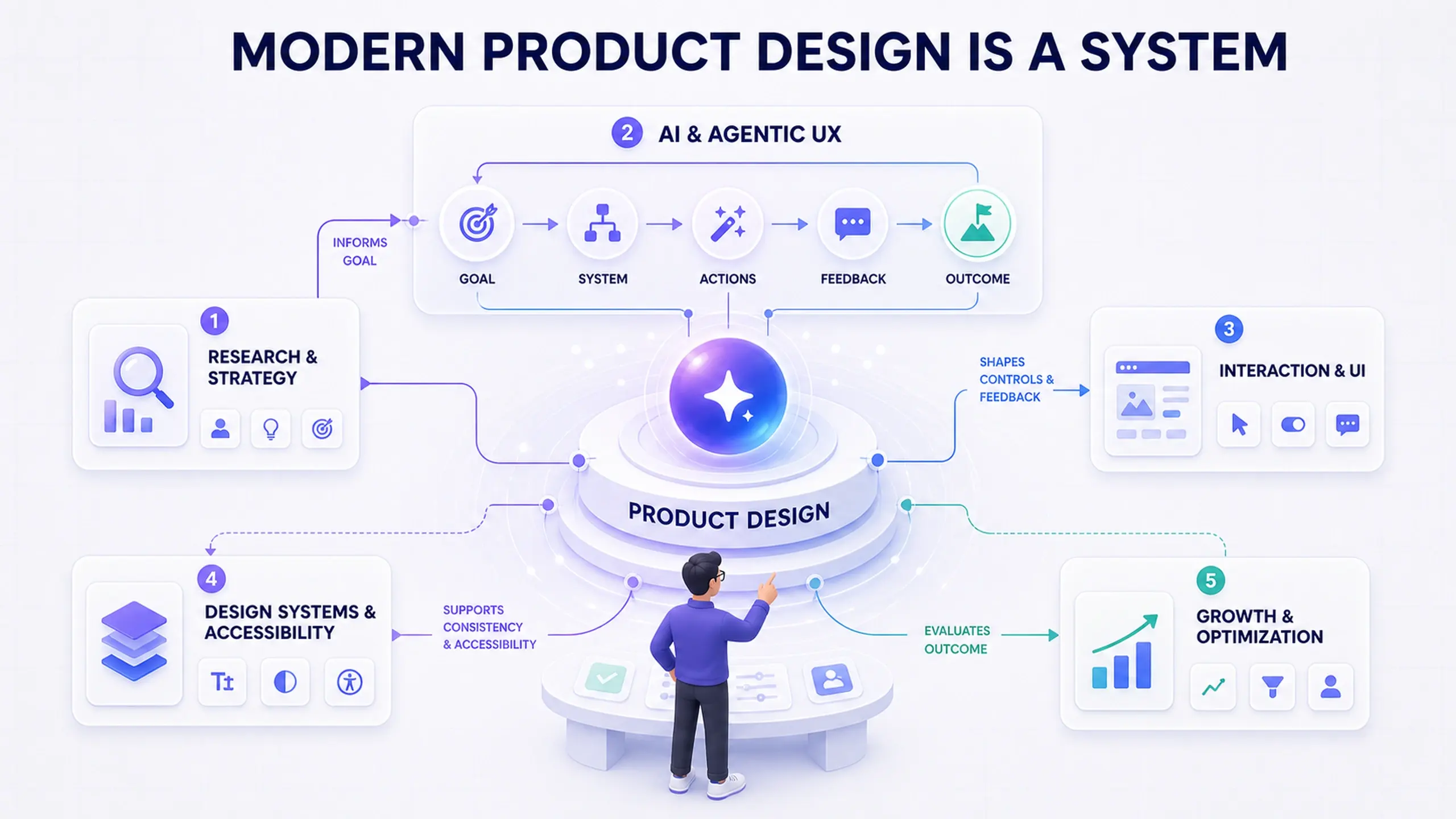
That distinction matters because AI shows up in a product designer's job in at least three different ways, and each one asks something different of you:
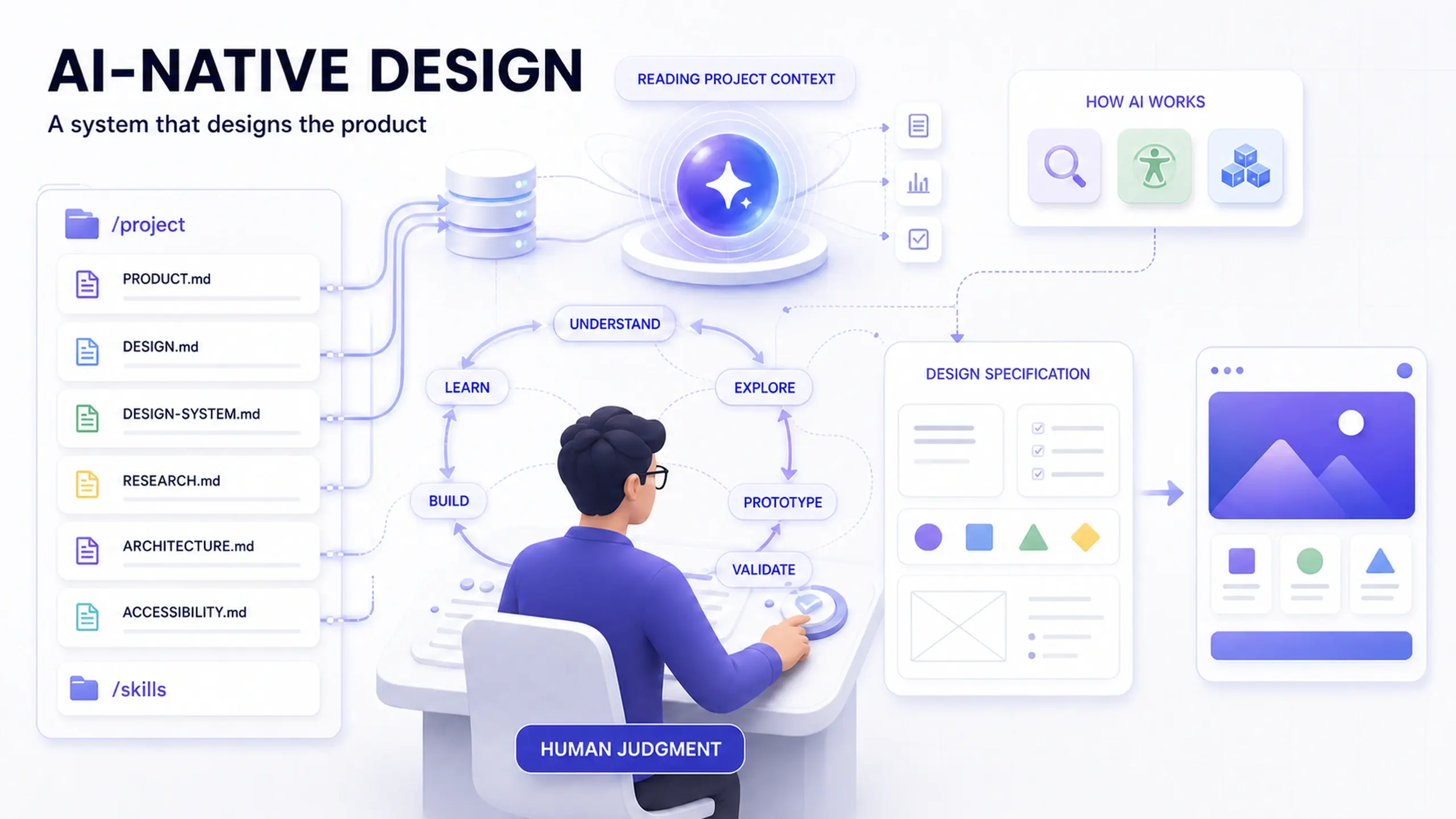
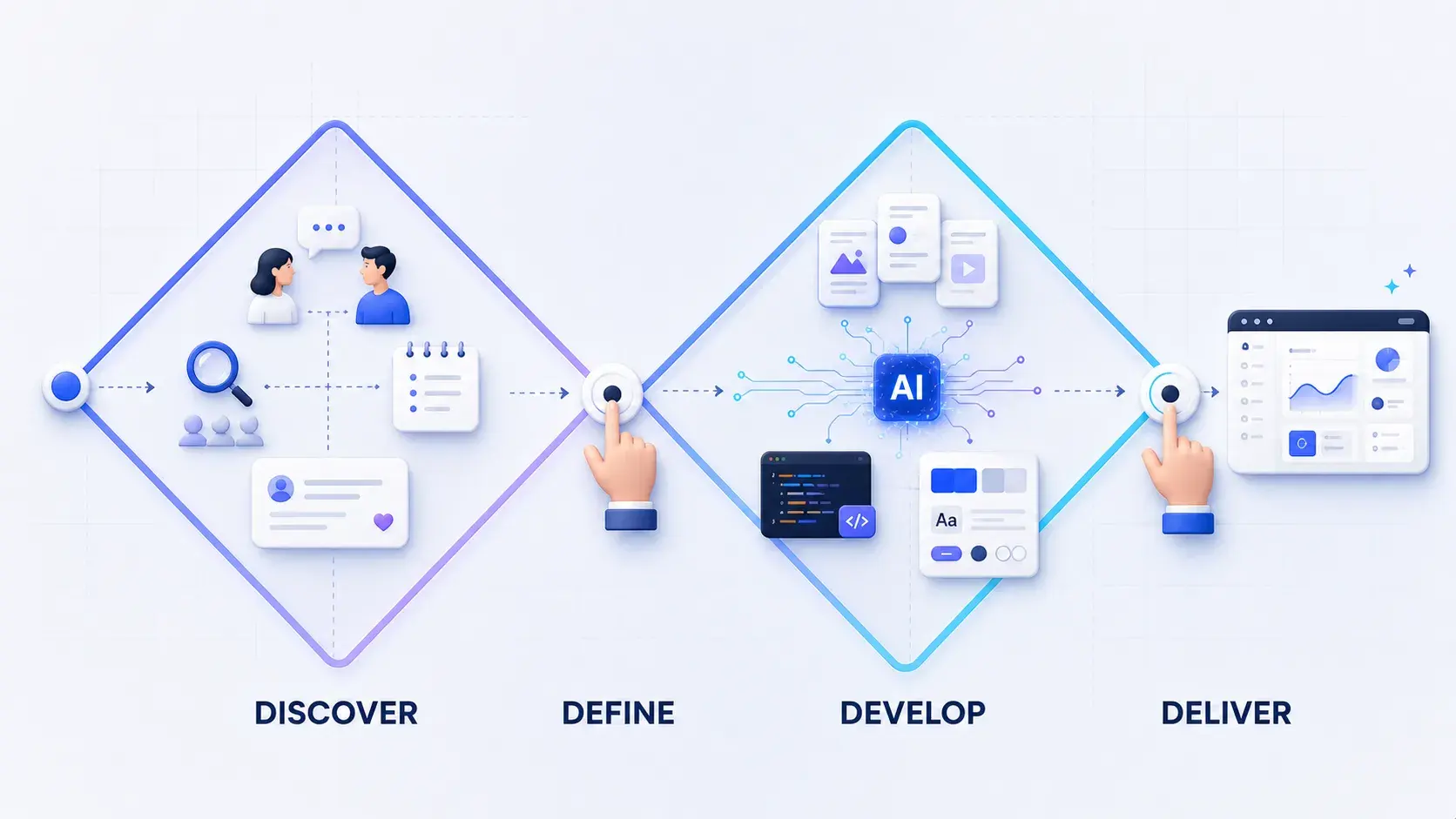
- As a collaborator in the design process itself: using AI to think through problems, generate options, and move faster through the parts of the process that used to be pure grind. Where AI Actually Fits in the Product Design Process maps this phase by phase, instead of treating "AI in design" as one undifferentiated activity.
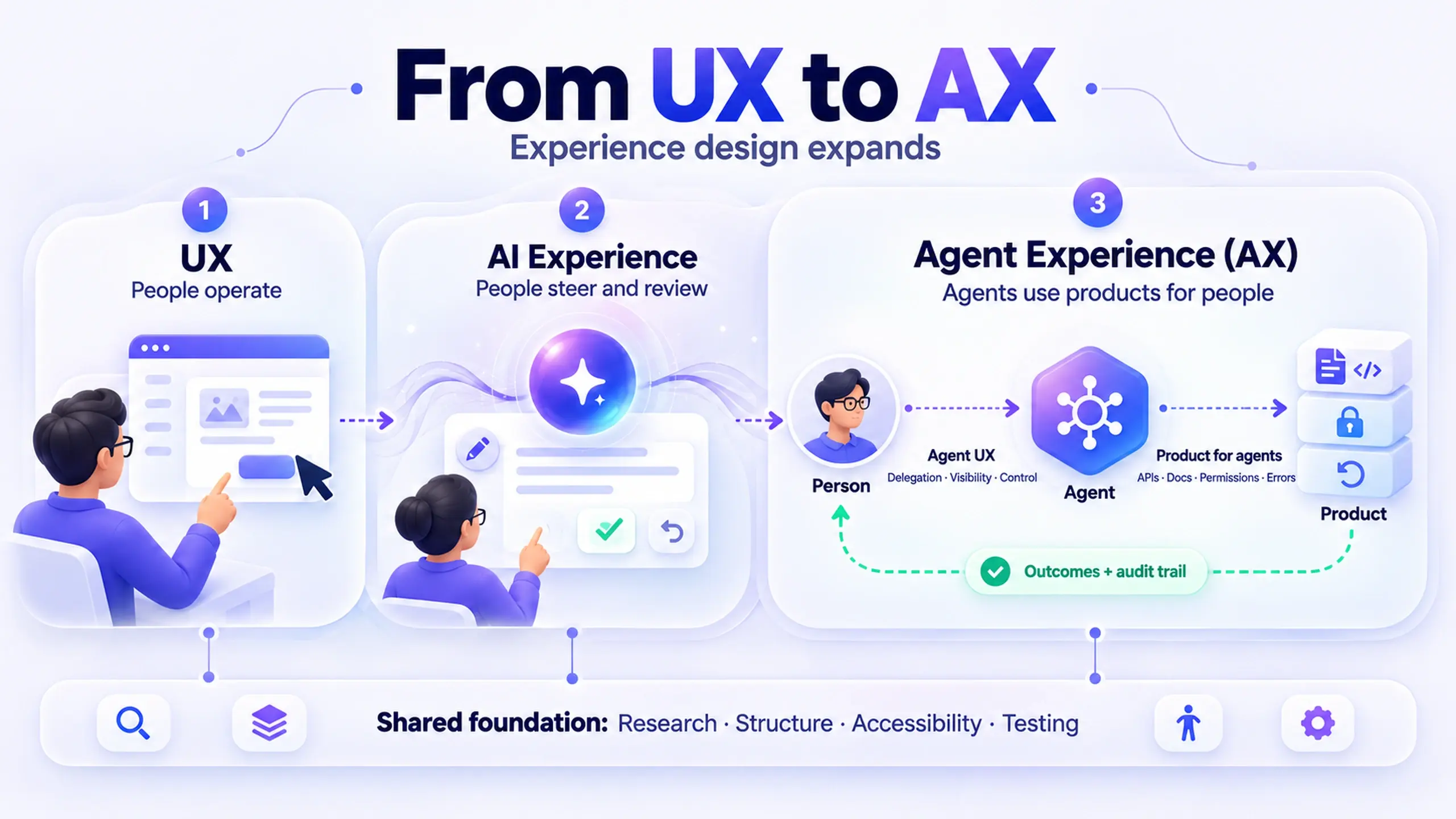
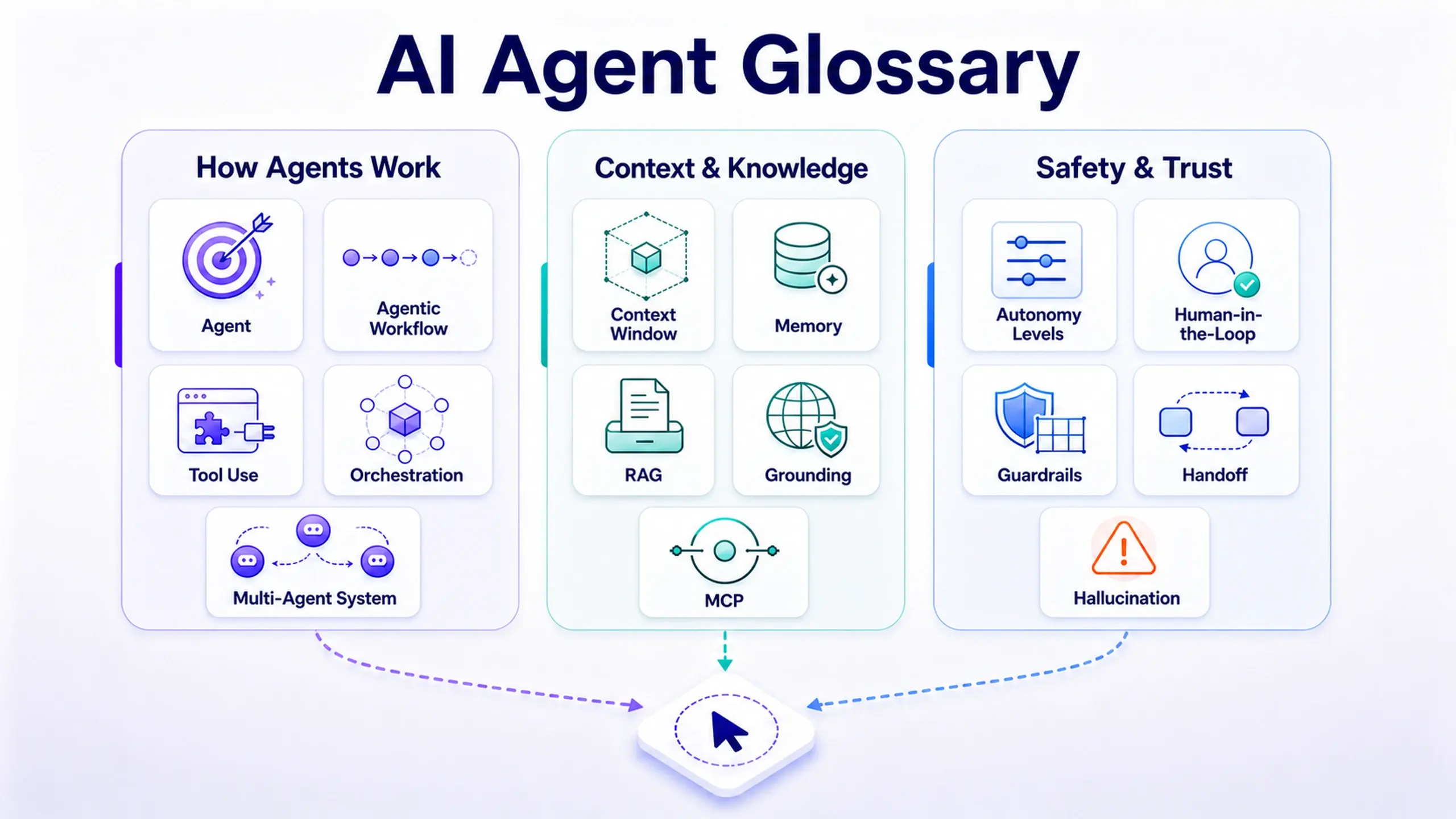
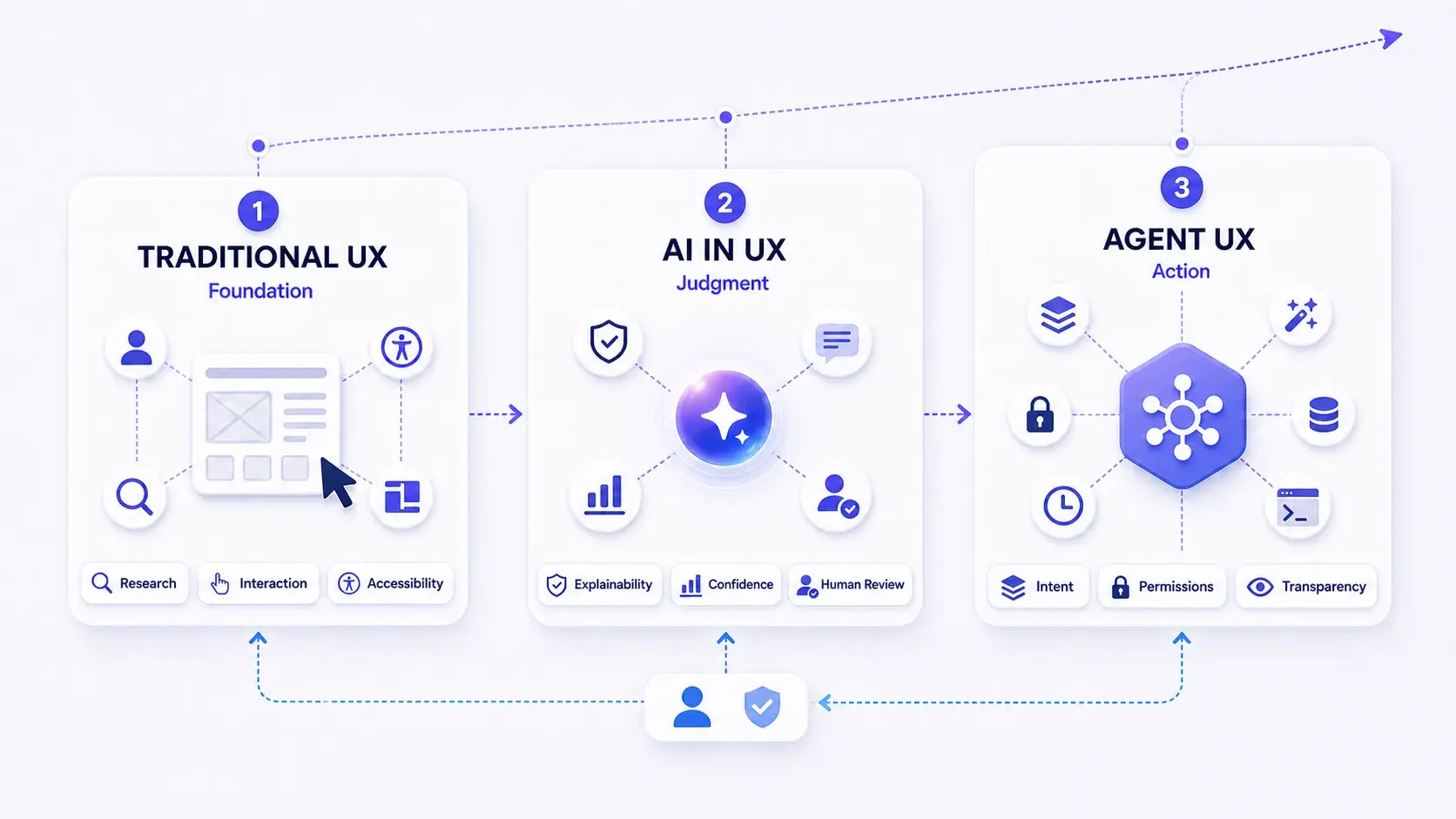
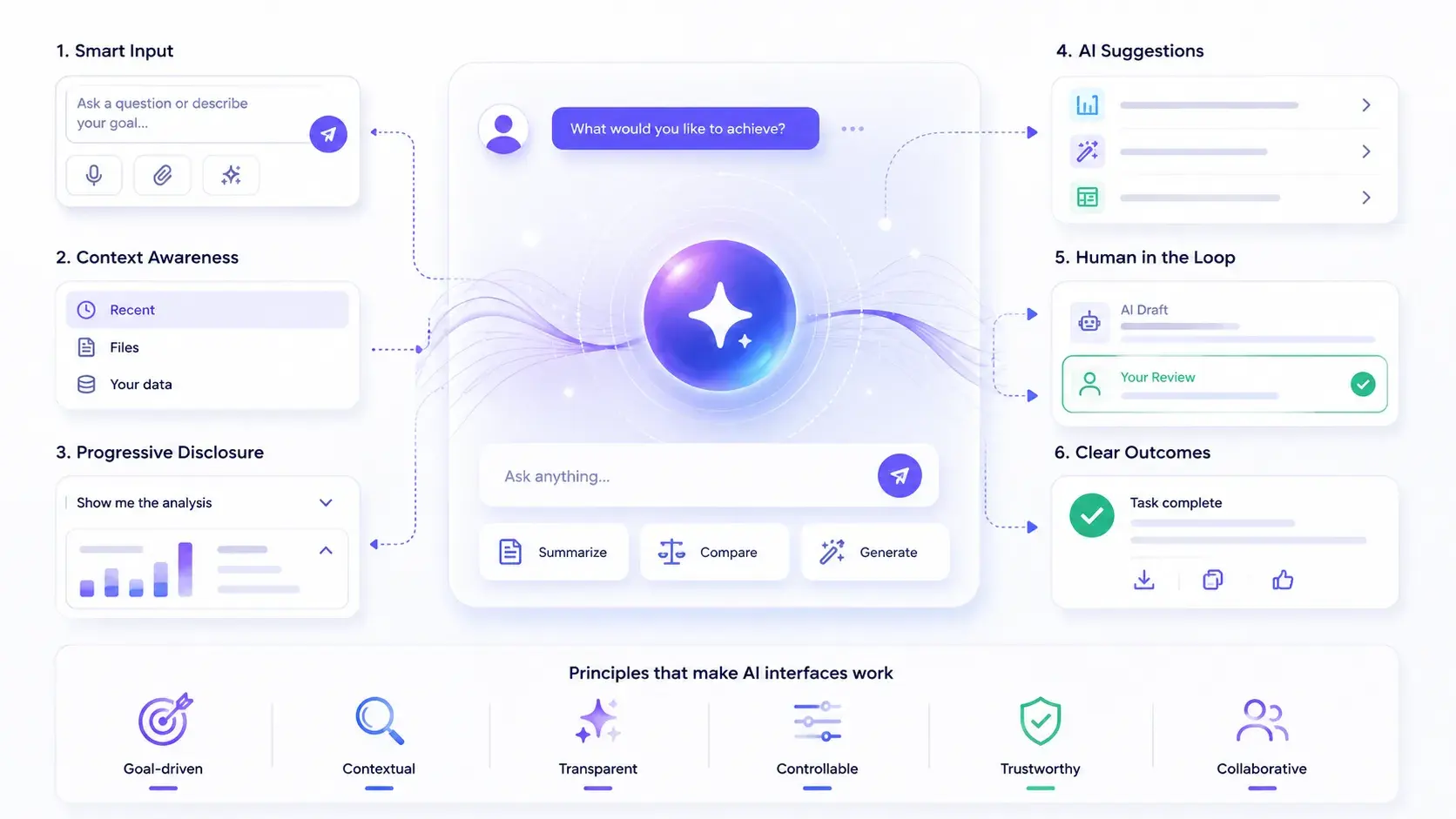
- As a feature inside the product you're designing: this raises a distinct set of judgment calls around explainability, confidence, and control that traditional interaction design doesn't automatically prepare you for. Beyond the Chatbot: The AI UX Design Patterns That Actually Work covers the patterns that hold up once the novelty wears off, and What Is Agent UX? goes further into the newest layer of that problem: designing how an AI agent behaves as an actor with some independence, not just a feature that responds to input.
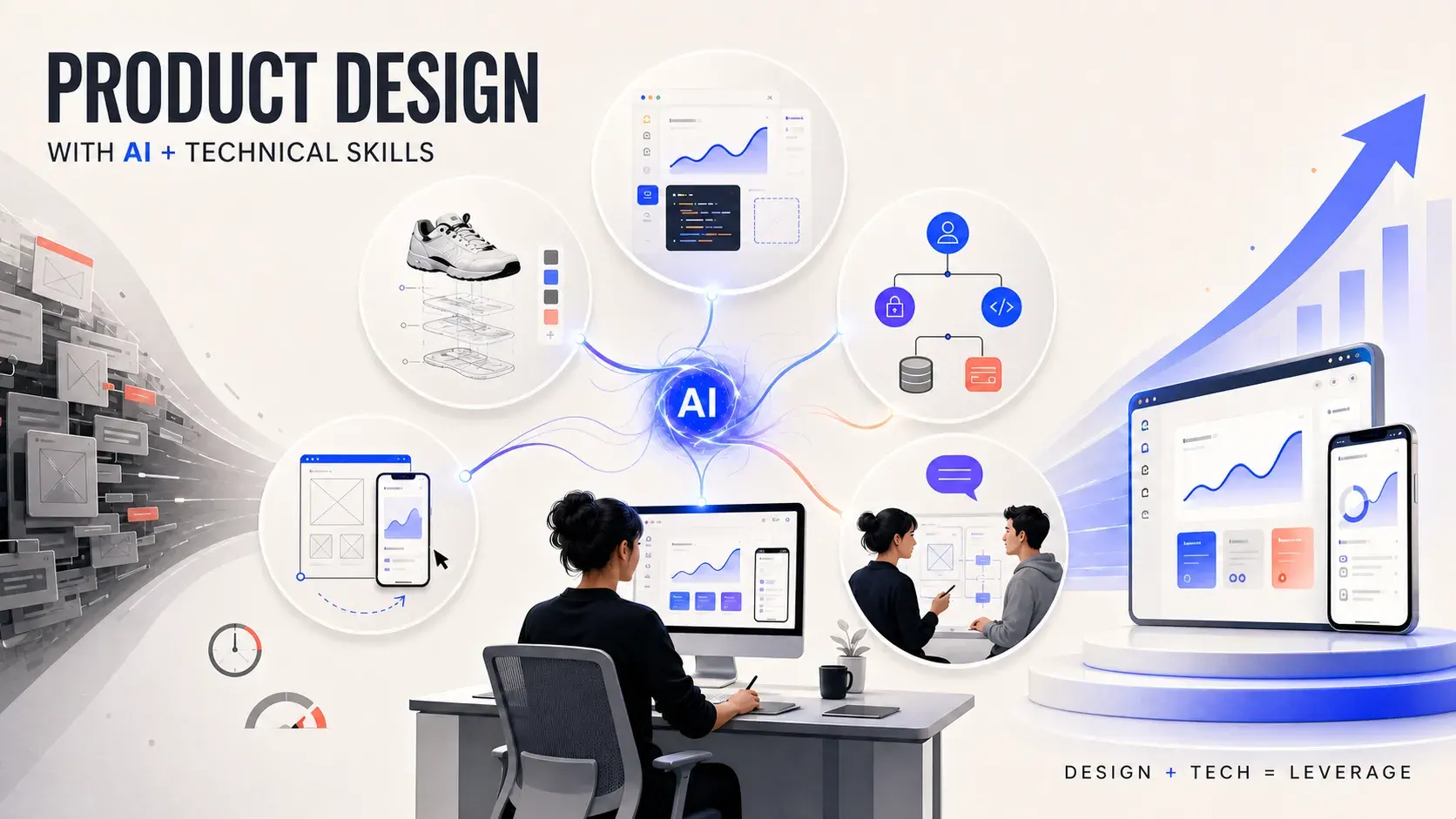
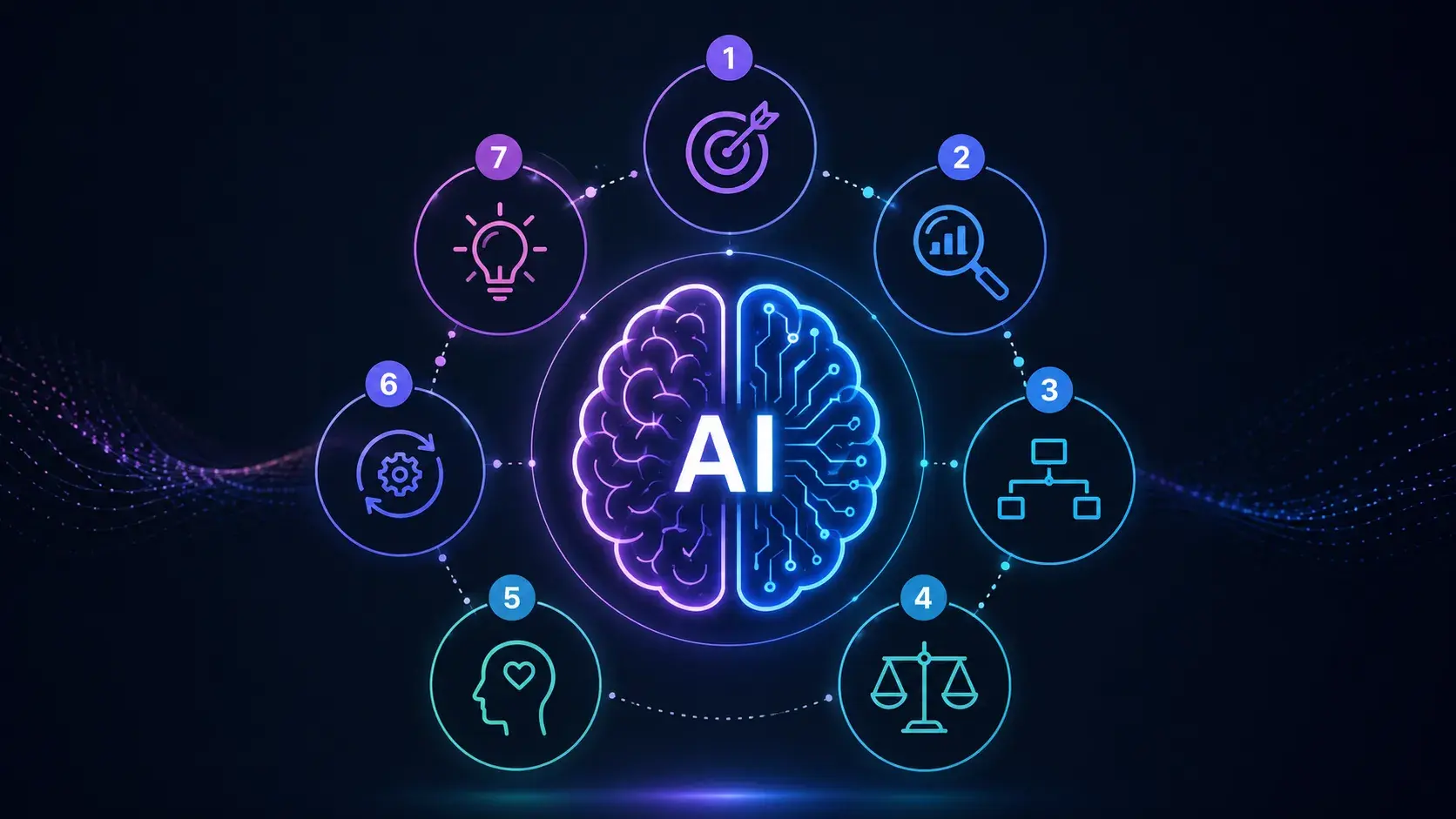
- As part of your own working method: the mental models that outlast whichever specific tool you're using this month. Forget AI Tools. Master These 7 AI Concepts Instead is the concept layer underneath all of it, and Scaling Product Design With AI and Just Enough Technical Skills is the practical answer to a real constraint: too much to build, not enough engineering bandwidth.
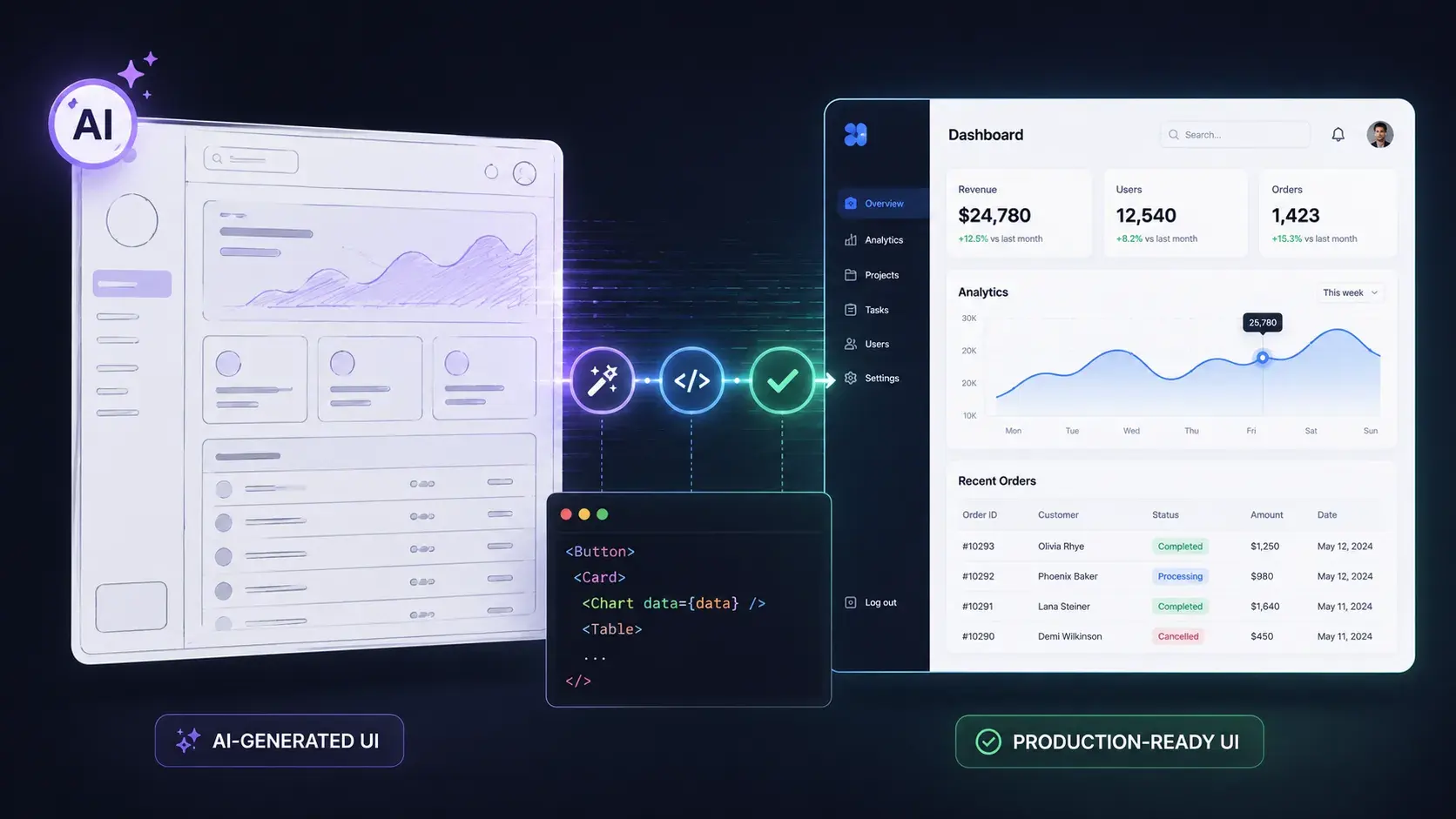
There's a fourth piece that's less about designing with AI and more about what happens after AI generates something: The New Handoff: From AI-Generated UI to Production-Ready UI is about the gap between an AI-generated mockup and something engineering can actually ship, and why that gap is a design responsibility, not just an engineering one.
The thread connecting all six pieces: AI doesn't remove the judgment calls that make product design hard. It just moves them to a different place, and sometimes hides them inside a confident-sounding output. Explainability, confidence signaling, human review, and now agent persona and autonomy are the new terrain, and traditional UX skill doesn't automatically transfer to it without deliberate work. That's the case each article in this cluster tries to make concretely, from a specific angle, rather than as a general claim.
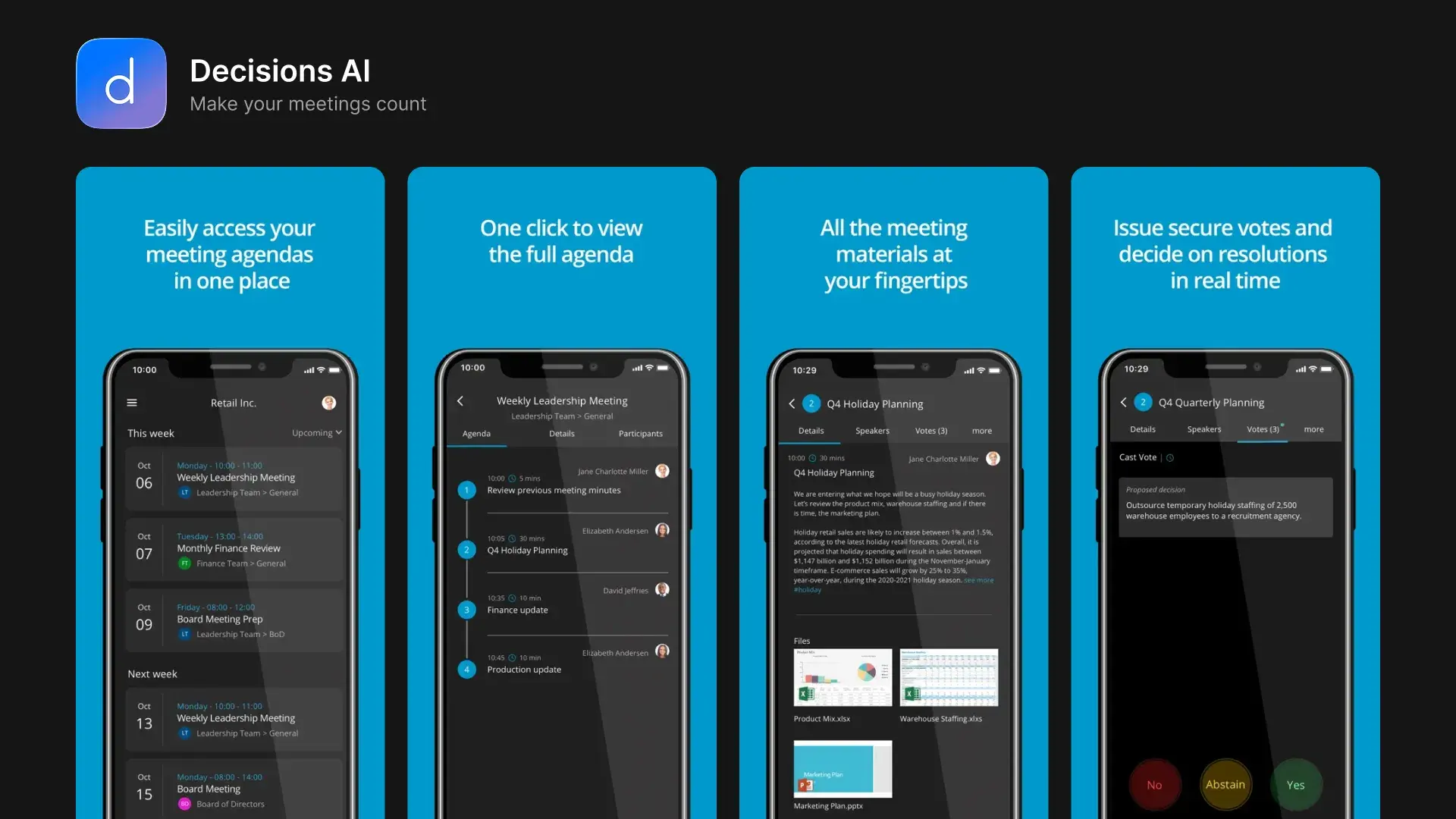
If you're evaluating how AI shows up in a live, shipping product rather than a concept, Decisions AI is the case study most directly related to this cluster: the mobile companion to an AI-powered Microsoft Teams meeting platform, and the product I currently lead mobile design for.
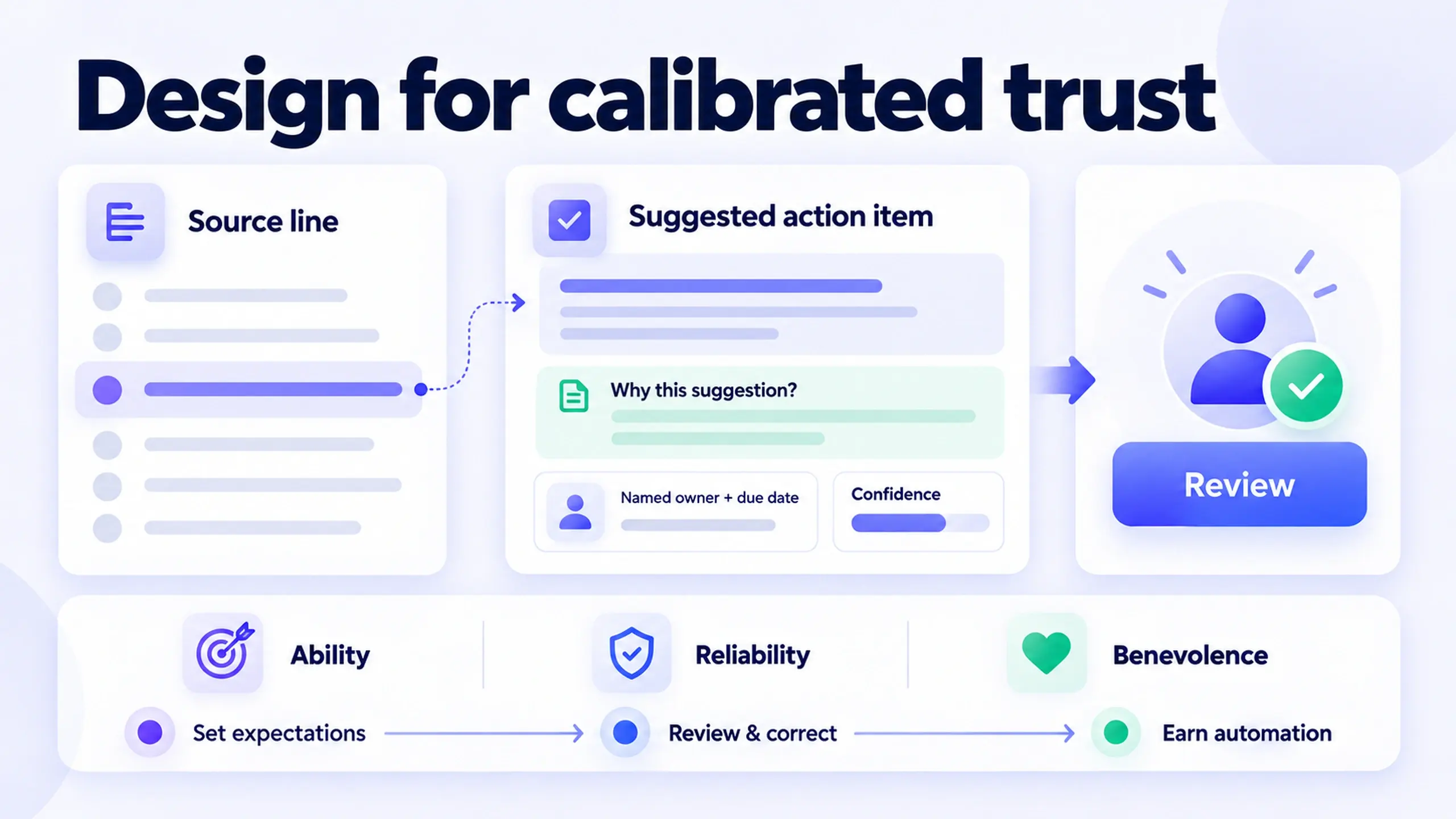
For the principles behind all six pieces distilled into one page (confidence signaling, editable output, human review, explainability, failure states, and progressive trust), see Designing AI Products People Can Understand and Trust.
In This Cluster